
Taveuni, Fiji: A Place That Keeps Calling Us Back
There are some places you visit once and remember forever. Then there are places that somehow become a little piece
This is a common question we hear when people are inquiring about learning to scuba dive. What many people don’t realize is PADI is actually the certifying agency who not only certifies beginner divers, but also offers a wide variety of other courses such as: PADI Advanced, PADI Rescue, and even PADI Divemaster Courses!
There are a few other certifying agencies out there such as SSI (Scuba Schools International) and NAUI (National Association of Underwater Instructors), but PADI is by far the most recognized.
 As a PADI Diver you will hold the most recognized diver certification in the world.
• Your PADI diver certification is for life.
• PADI has issued more than 23 million certifications worldwide.
• PADI is the leader in professional quality, service and support.
• PADI’s courses encompass environmental awareness & responsibilities.
In order learn to scuba dive you must first complete the PADI Open Water Course. The course consists of three phases:
The Diving Locker offers this course 3 different ways depending on your schedule and preferences:
Once you are certified, you are able to dive anywhere in the world for life! Your certification is good up to 60ft. The next step would be to take your PADI Advanced Course. There are also a variety of PADI Specialty Courses you can take such as the PADI Drysuit Specialty, Underwater Navigator, Wreck Specialty and much much more.
The Diving Locker also offers trips (both local and tropical) after you are certified which is a great way to keep diving! You don’t need to have a buddy, in fact most people who join our trips and courses come on their own. We will buddy you up with another dive with a similar skill level, this gives you a great opportunity to meet other divers!

There are some places you visit once and remember forever. Then there are places that somehow become a little piece
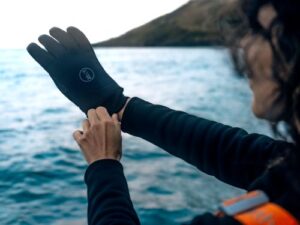
If you dive in cold water, you already know the problem: once your hands get cold, your dive is basically over. A proper drysuit glove system solves this by keeping your hands completely dry and insulated—even in near-freezing conditions.
This guide will walk you through exactly how to put together a reliable dry glove system, what components you need, and how to choose the right setup for your diving style.

Since the days stretch longer, and the ocean temperatures are more inviting, there’s no better time to explore the incredible
Contact us
© 2026 Diving Locker. Sitemap | Privacy | Terms & Conditions
Dive Essentials
Snorkeling
Freediving
We’ll give you a call if anything opens up!