


Diving Stories
Taveuni, Fiji: A Place That Keeps Calling Us Back
There are some places you visit once and remember forever. Then there are places that somehow become a little piece
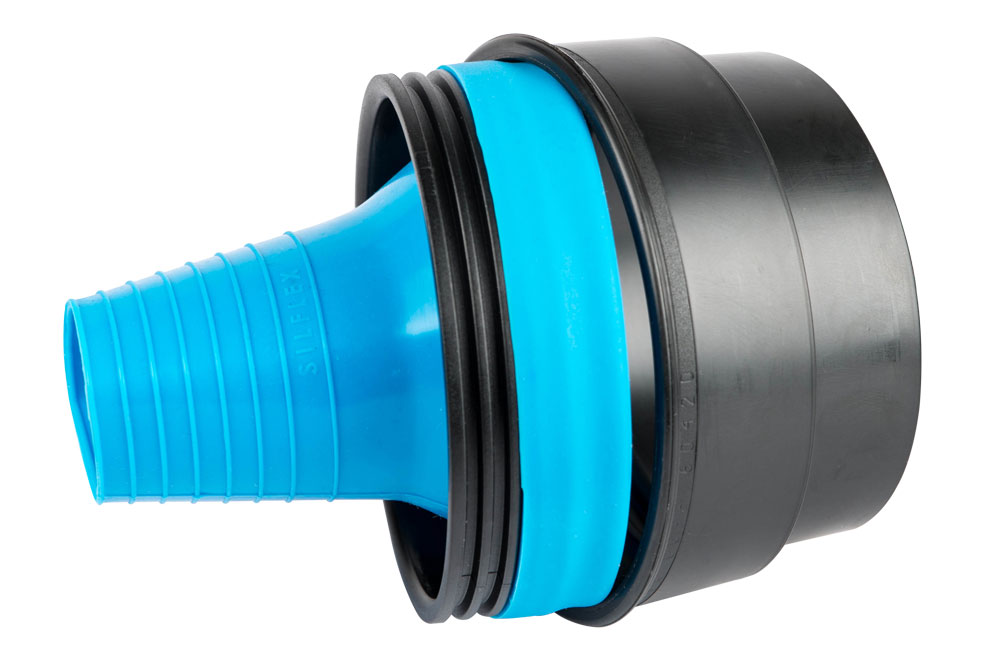
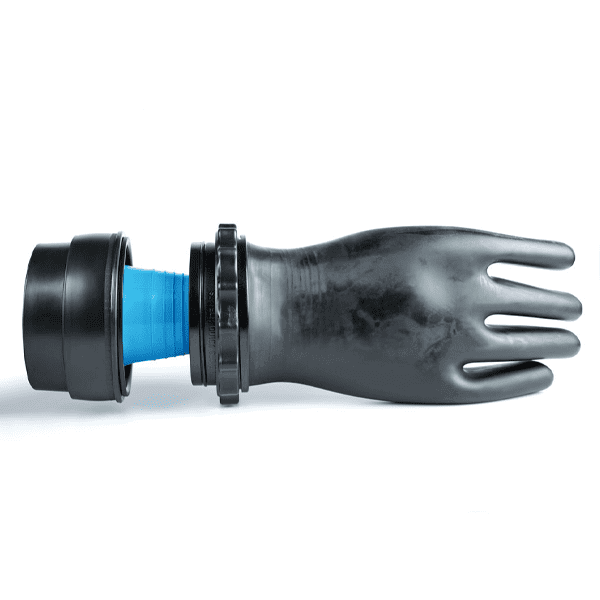

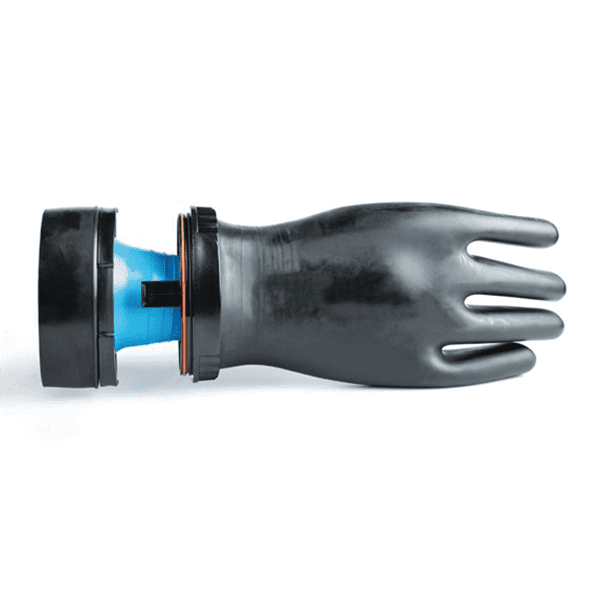
The PSI Press Lock Dry Glove System is Built By Divers For Divers! Our goal; to create a simple system for ease of use, and we achieved this goal. A thin locking o-ring allows for ease of attaching to the suit ring and easy of removal. To ensure a permanent seal, a slight turn to the right or left will lock the system in place with an advanced bayonet locking system. The Canadian built system is machined from aluminum allowing a lightweight system, as well as making it one of the smallest dry ring systems on the market. The PSI Press Lock Dry Glove System will work with most drysuit cuff rings that are currently on the market (available for the Si-Tech Antares (oval) style cuff rings, or Si-Tech Quick Cuff (round) cuff rings).
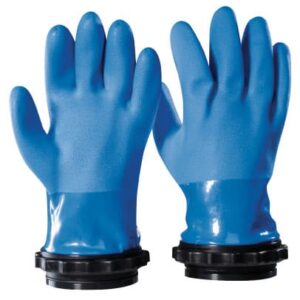
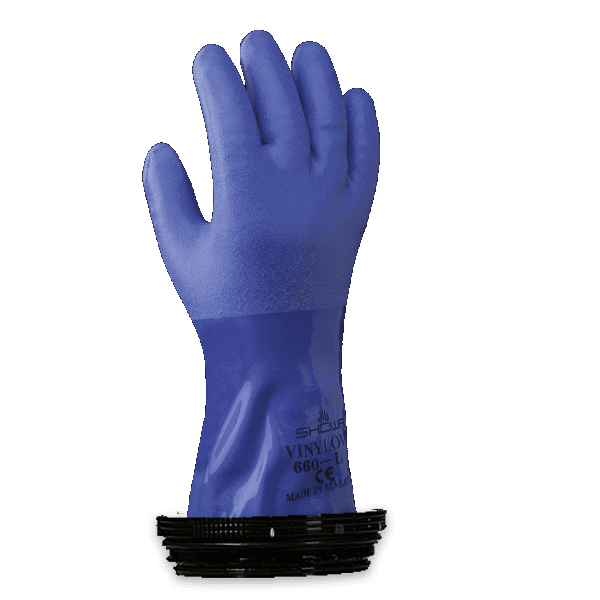
PSI Press lock Dry Glove System Includes: Suit Ring, Glove Ring, Attachment O-rings, your choice of either Marigold gloves, or PVC Gloves (Showa 620 Orange, or Showa 660 Blue) and a re-usable 5 liter Dry Bag.
*Special Order - Please allow an additional 3-4 days delivery*
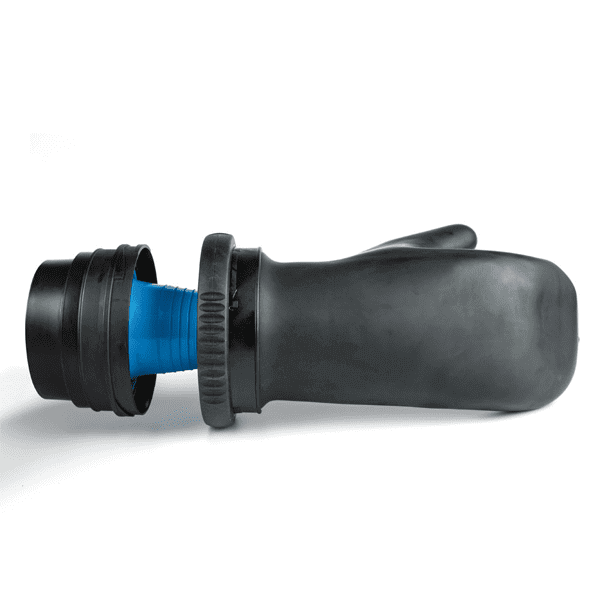

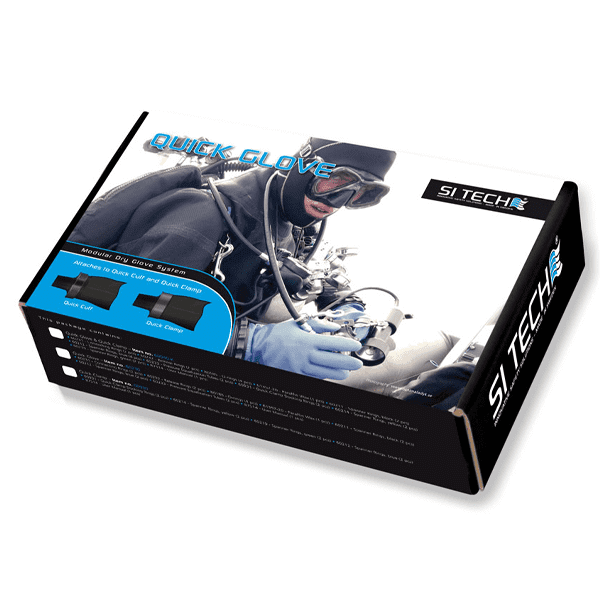
The Si-Tech Glove Lock QCP is a heavy duty Dry Glove System for professional-, technical- as well as recreational divers. The Glove Lock QCP system is compatible with the Si Tech Quick Cuff system, or can be directly attached to latex wrist seals. Donning and doffing is easy and reliable, just twist and lock. The large diameter of the rings make it ideal for those with larger hands.
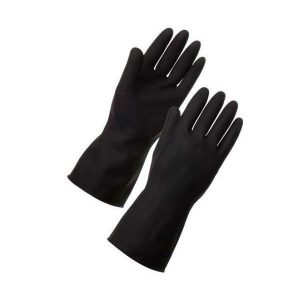
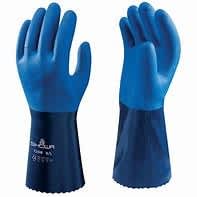
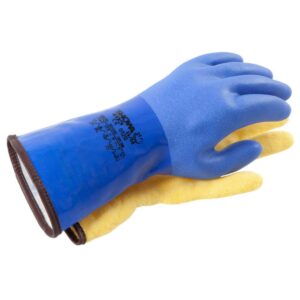
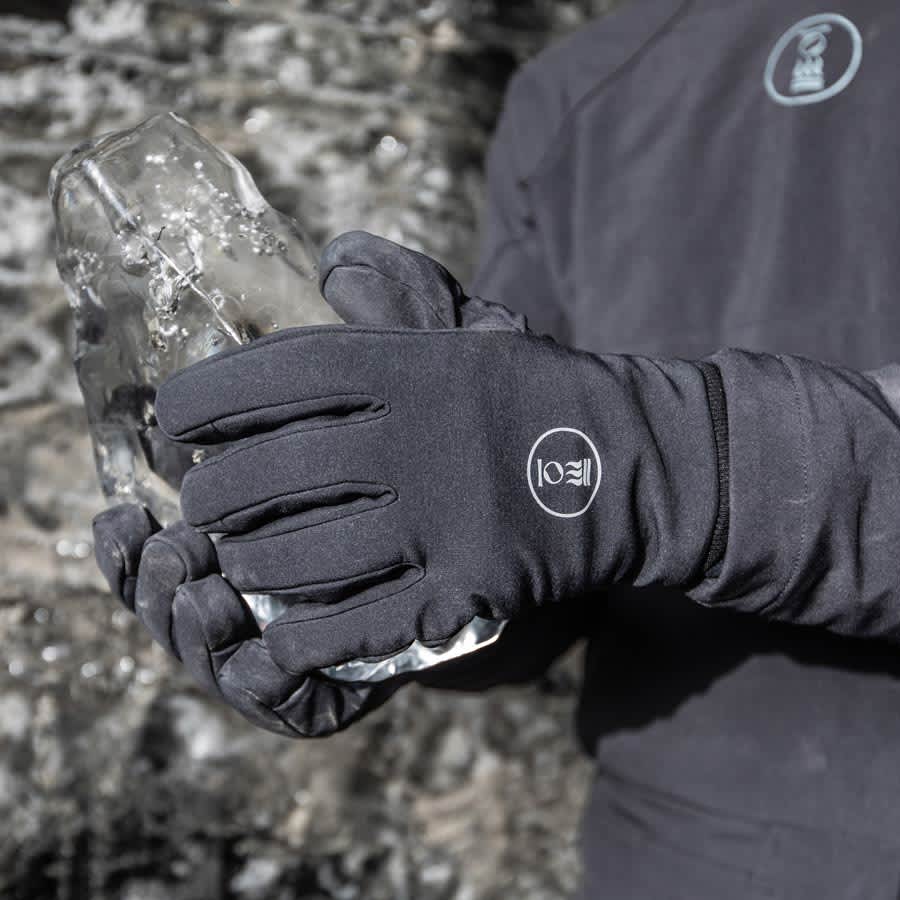
A great durable and flexible dry glove - for use with compatible dry glove ring systems such as the Si-Tech Docking Rings or PSI Press Lock Glove system
There are some places you visit once and remember forever. Then there are places that somehow become a little piece

Since the days stretch longer, and the ocean temperatures are more inviting, there’s no better time to explore the incredible
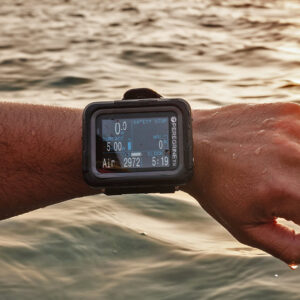
In a time where tariffs are looming, and dive gear is often imported from overseas, it’s more important than ever to support Canadian-based dive brands. With fluctuating exchange rates and tariffs on US-manufactured dive equipment,we love making the choice to purchase from Canadian companies like Shearwater Research. By doing so, it
not only supports local businesses but also ensures you’re getting world-class quality without unnecessary added costs.







 On Sale