

Taveuni, Fiji: A Place That Keeps Calling Us Back
There are some places you visit once and remember forever. Then there are places that somehow become a little piece
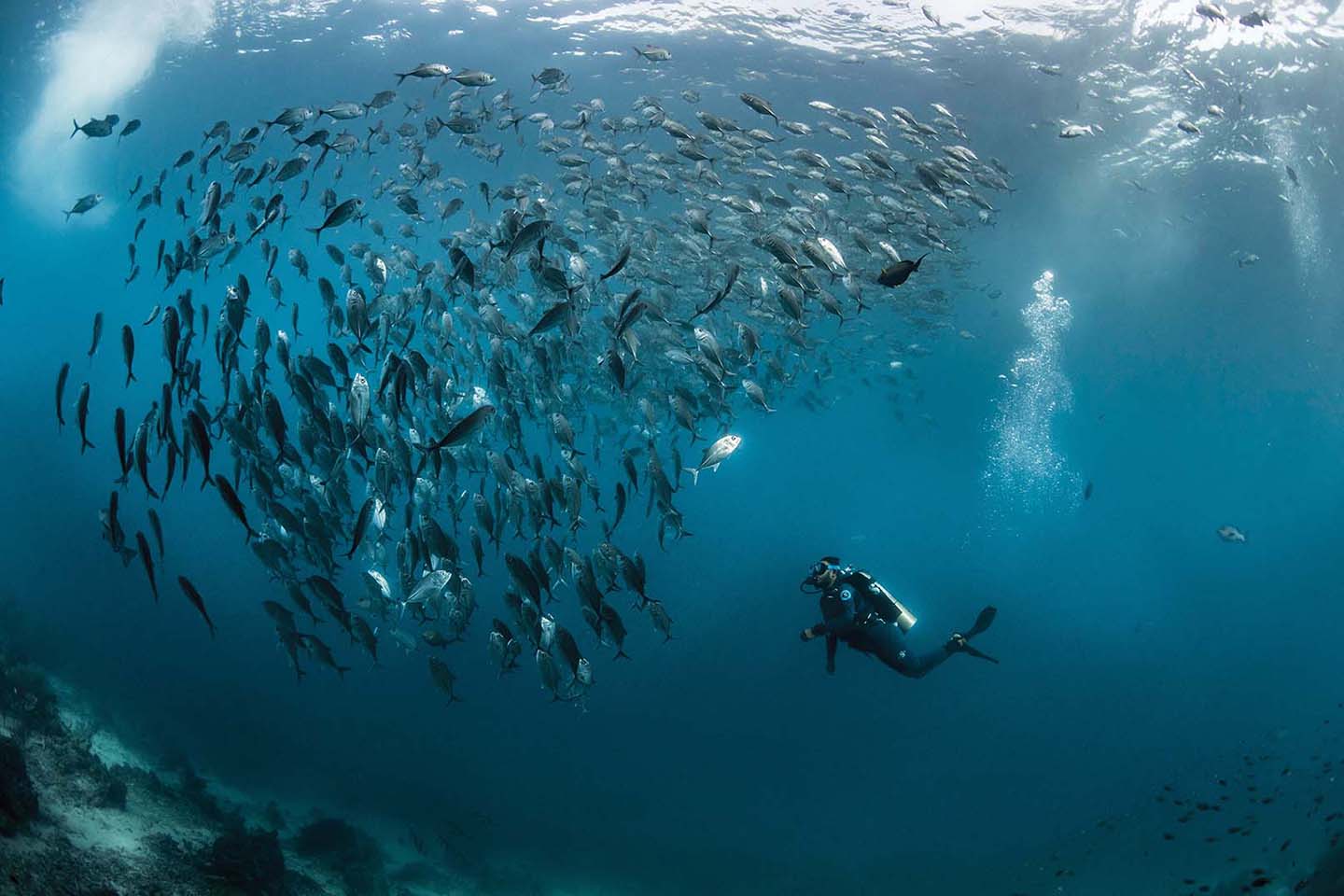
Any photographer (land or underwater) will tell you that the key to a good photo, is good lighting. You can never have enough! This is even more important for underwater photography, as the water absorbs the light so much more than it does on land.
Many photographers opt for a combination of strobes and lights, as strobes are significantly brighter and more powerful than your standard light, and they do a much better job at freezing the motion. You can get away with very slow shutter speeds, while not having to worry too much about blur or camera shake.
Strobes can be a significant investment, so most beginners start with a good photo/video light. You want something with a fairly wide beam (to avoid hot-spots in your photos), and the brighter the better! The advantage of shooting with video lights is that you know exactly what the lighting is going to look like before you take your picture. Not to mention they are a lot smaller and less expensive than strobes.
Having a light will also help your camera focus a lot easier!
The closer you are to your subject, the more detail you will be able to capture. Your lighting will be more effective close up, and you’ll also reduce the risk of backscatter (the pesky particles that reflect the light between you and your subject)
One of the biggest and most important skills to master for underwater photography is your buoyancy. Your photos will be sharper, and your dive buddies will appreciate you not stirring up the bottom!
Need to work on your buoyancy some more? Why not take our Peak Performance Buoyancy Course or join us on a Skill’s Safari!
Often when you are shooting downwards, your background will be comprised of sand, dirt, and rocks, which can clutter the image and does not allow your subject to stand out. Whenever possible, try to shoot upwards. This will allow you to isolate the subject, and really get it to pop!
Be considerate of other divers (both with and without cameras). Wait your turn to take pictures, and try not to crowd other photographers. There is plenty of life to go around! On the flip side, if you find a rare critter, keep in mind other divers might like a chance to take a look. Take a few shots, and then allow someone else a turn. Be extra careful when moving away not to stir up any silt for the other photographers/divers. Once you’ve moved away, take a moment to review your photos and make any necessary setting changes before going back for more pictures.

There are some places you visit once and remember forever. Then there are places that somehow become a little piece

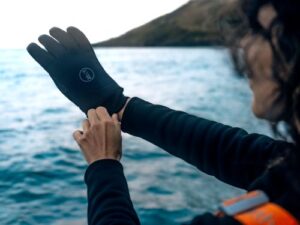
If you dive in cold water, you already know the problem: once your hands get cold, your dive is basically over. A proper drysuit glove system solves this by keeping your hands completely dry and insulated—even in near-freezing conditions.
This guide will walk you through exactly how to put together a reliable dry glove system, what components you need, and how to choose the right setup for your diving style.
Since the days stretch longer, and the ocean temperatures are more inviting, there’s no better time to explore the incredible

Contact us
© 2026 Diving Locker. Sitemap | Privacy | Terms & Conditions
Dive Essentials
Snorkeling
Freediving
We’ll give you a call if anything opens up!