











Build Your Dry Glove System
If you dive in cold water, you already know the problem: once your hands get cold, your dive is basically over. A proper drysuit glove system solves this by keeping your hands completely dry and insulated—even in near-freezing conditions.
This guide will walk you through exactly how to put together a reliable dry glove system, what components you need, and how to choose the right setup for your diving style.
What is a drysuit glove system?
A dry glove system is an add-on for your drysuit that creates a watertight seal around your wrists and gloves, preventing cold water from entering.
Unlike neoprene gloves, which rely on insulation, dry gloves work by:
- Keeping your hands completely dry
- Using thermal liners for insulation
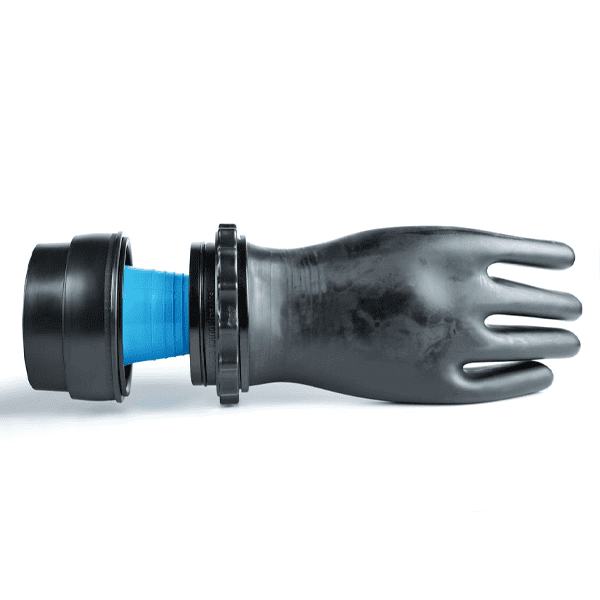
- Connecting to your drysuit via a ring system
👉 The result: warmer hands, longer dives, and better control in cold conditions.
The 4 Essential Components
To build a dry glove system, you need three key parts:
1. Drysuit Cuff Ring
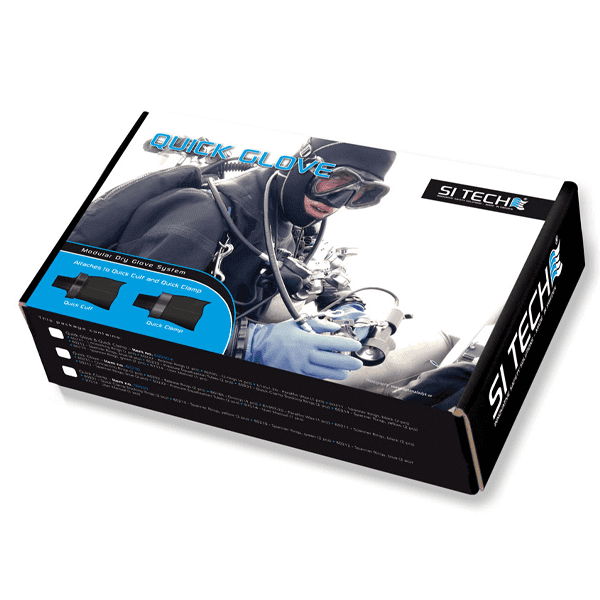
In order to attach any dry glove system to your suit, you need to either have permanent cuff rings pre-installed (either via the manufacturer or an after-market facility), alternatively if your drysuit has latex or silicone wrist seals, you can purchase the Si-Tech Quick Clamp rings.
We highly recommend having cuff rings installed when purchasing your own drysuit, as they will also allow you to easily change out your wrist seals if you ever tear one (as opposed to having to send the suit in to have the seal glued back on).
All of our rental drysuits at the Diving Locker have cuff-rings pre-installed, but if you’re planning on renting from someone else, it’s a good idea to ask if they have suits with this feature!
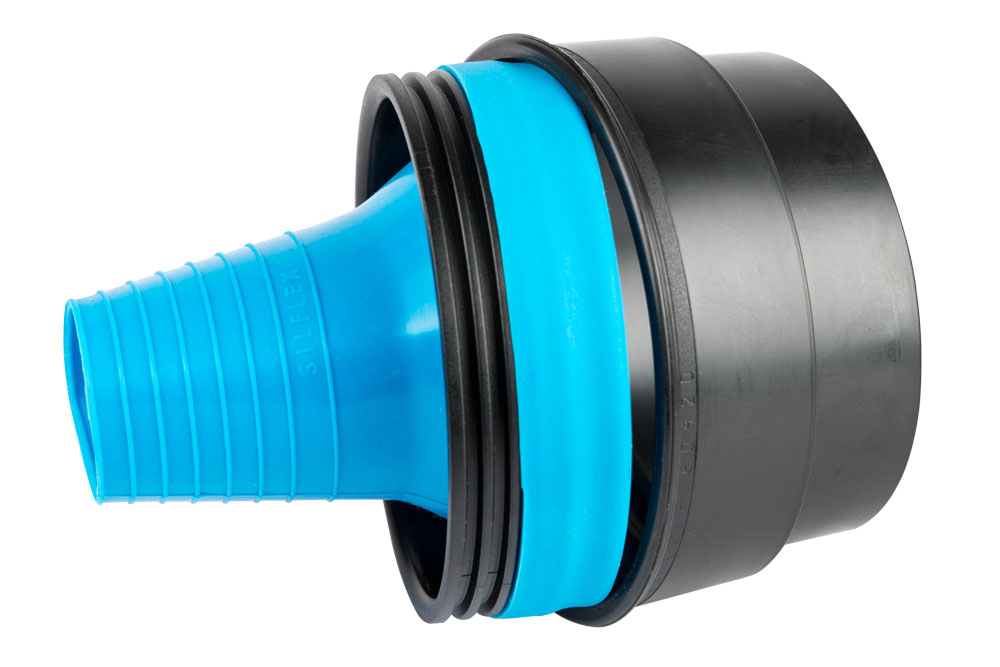
2. Glove Cuff Ring System
This is what connects the glove to your drysuit. Some system include dry gloves as part of the set, but they are also available for purchase separately.
Popular Cuff Ring Options
PSI Press Lock Glove System
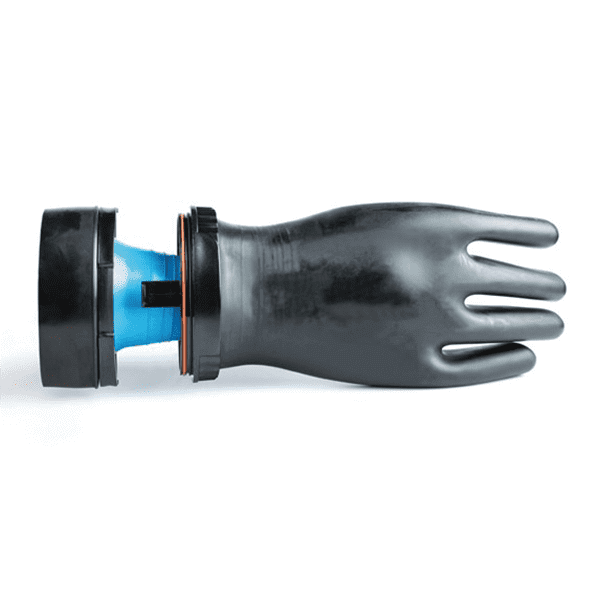
The PSI Press Lock Dry Glove System is Built By Divers For Divers! Our goal; to create a simple system for ease of use, and we achieved this goal. A thin locking o-ring allows for ease of attaching to the suit ring and easy of removal. To ensure a permanent seal, a slight turn to the right or left will lock the system in place with an advanced bayonet locking system. The Canadian built system is machined from aluminum allowing a lightweight system, as well as making it one of the smallest dry ring systems on the market. The PSI Press Lock Dry Glove System will work with most drysuit cuff rings that are currently on the market (available for the Si-Tech Antares (oval) style cuff rings, or Si-Tech Quick Cuff (round) cuff rings).
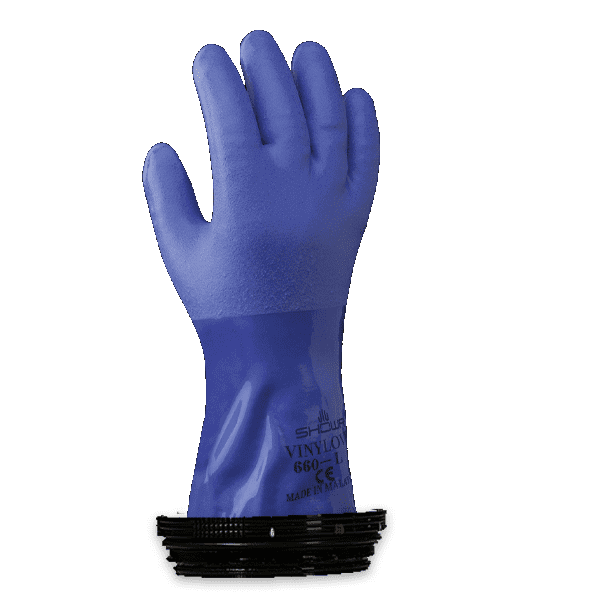
PSI Press lock Dry Glove System Includes: Suit Ring, Glove Ring, Attachment O-rings, your choice of either Marigold gloves, or PVC Gloves (Showa 620 Orange, or Showa 660 Blue) and a re-usable 5 liter Dry Bag.
*Special Order - Please allow an additional 3-4 days delivery*
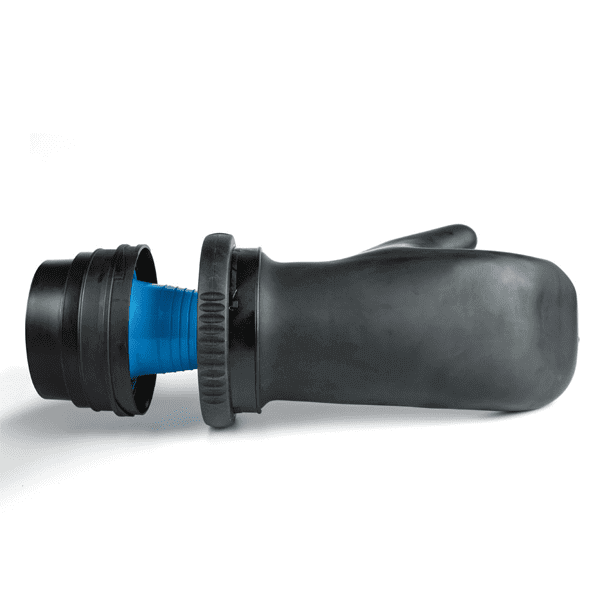
Antares Oval Dry Glove Kit
Si-Tech Quick Glove Docking Ring Set
Si-Tech Glove Lock Set QCP
The Si-Tech Glove Lock QCP is a heavy duty Dry Glove System for professional-, technical- as well as recreational divers. The Glove Lock QCP system is compatible with the Si Tech Quick Cuff system, or can be directly attached to latex wrist seals. Donning and doffing is easy and reliable, just twist and lock. The large diameter of the rings make it ideal for those with larger hands.
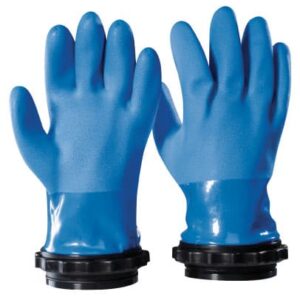
3. Dry Gloves
These are your gloves that will keep water out, they will attach to the glove ring to complete your dry glove system.
Look for:
- Durable latex or rubber construction
- Good dexterity for gear handling
- Compatibility with your ring system
Popular Dry Glove Options
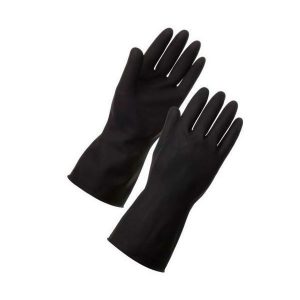
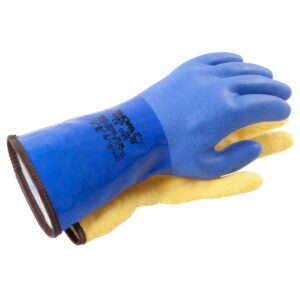
Marigold Dry Gloves
The cheap and easy way to switch from wet hands to nice and warm dry hands! These marigold dry gloves
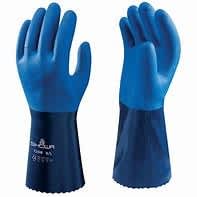
Showa Dry Gloves
A great durable and flexible dry glove - for use with compatible dry glove ring systems such as the Si-Tech Docking Rings or PSI Press Lock Glove system
Si-Tech Dry Glove Set
Add a BARE Dry Gloves Set to your drysuit – a great option to keeping warm. Included thermal warmers boost insulation and quick clamps allow set to be attached to existing latex wrist seals.
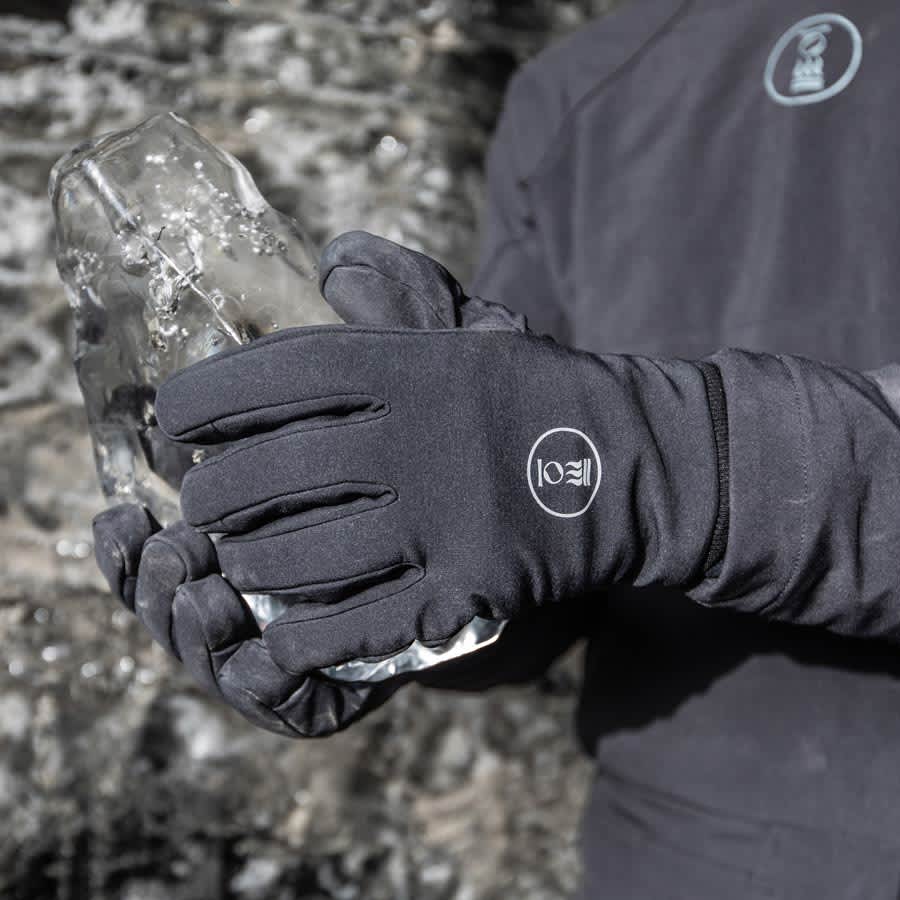
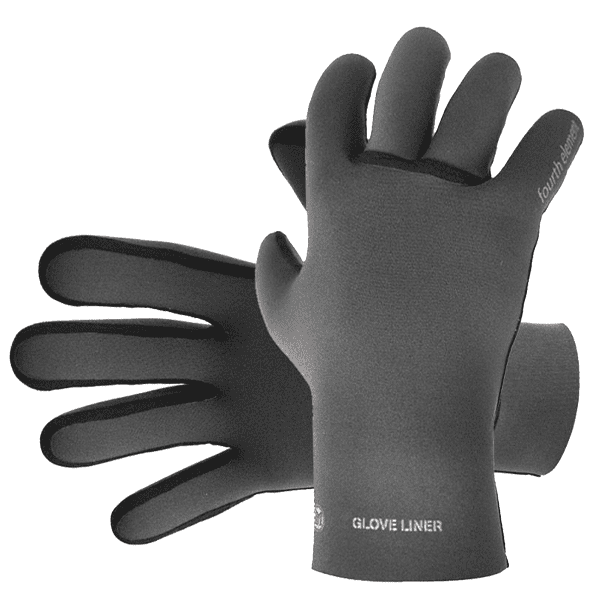
4. Thermal Glove Liners (Insulation Layer)
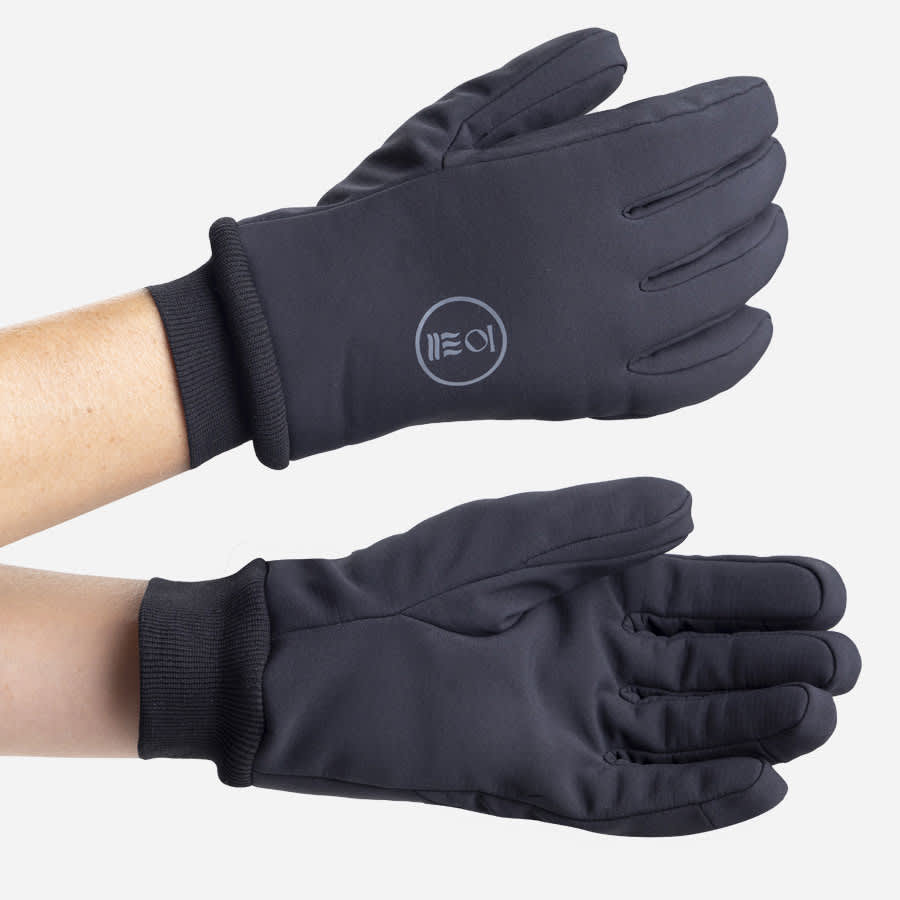
Liners are what keep your hands warm inside the dry gloves.
Look For:
- Fleece liners (common and affordable)
- Thicker thermal liners for colder water
- Moisture-wicking materials for comfort
👉 Liners are what determine how warm your system actually feels.
Popular Dry Glove Liner Options
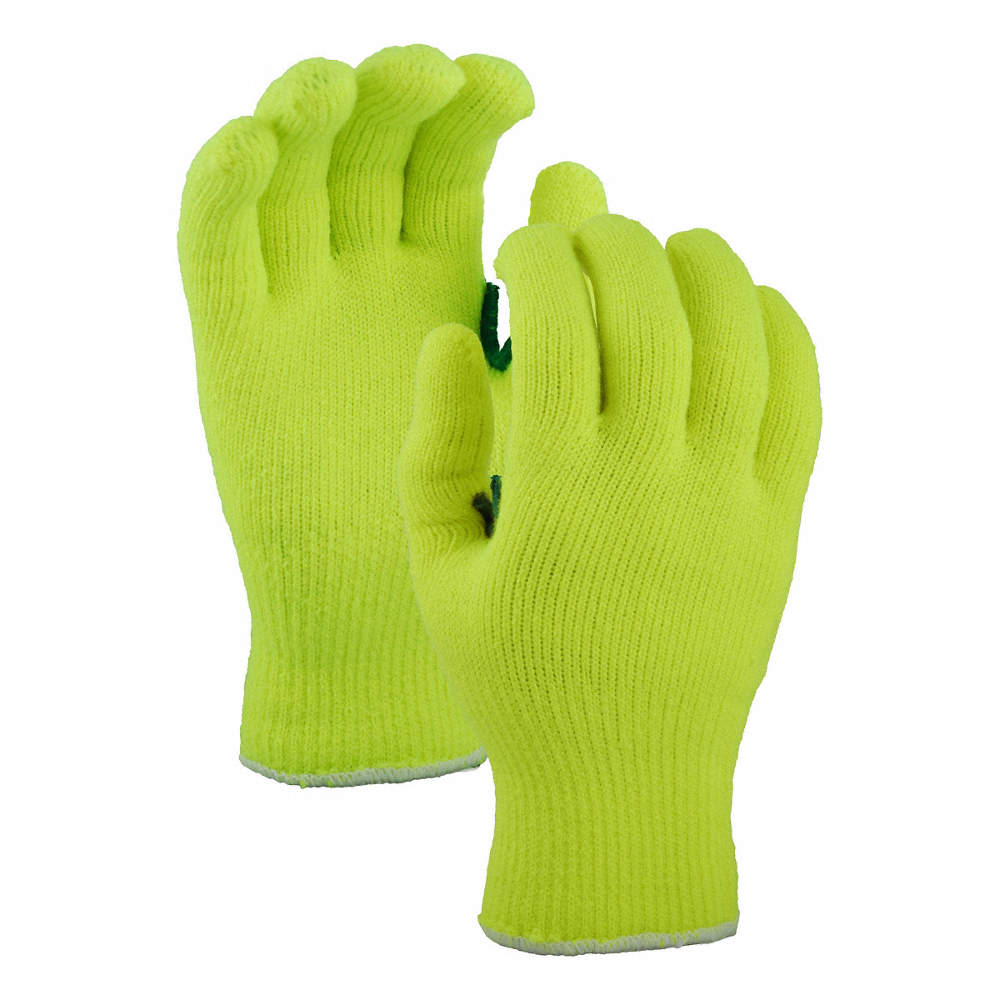
Yellow Luxury Liner Glove
These yellow glove liners have an acrylic insulation with a seamless knit wrist. They are cold-resistant and work perfectly underneath drysuit gloves to keep your hands toasty!
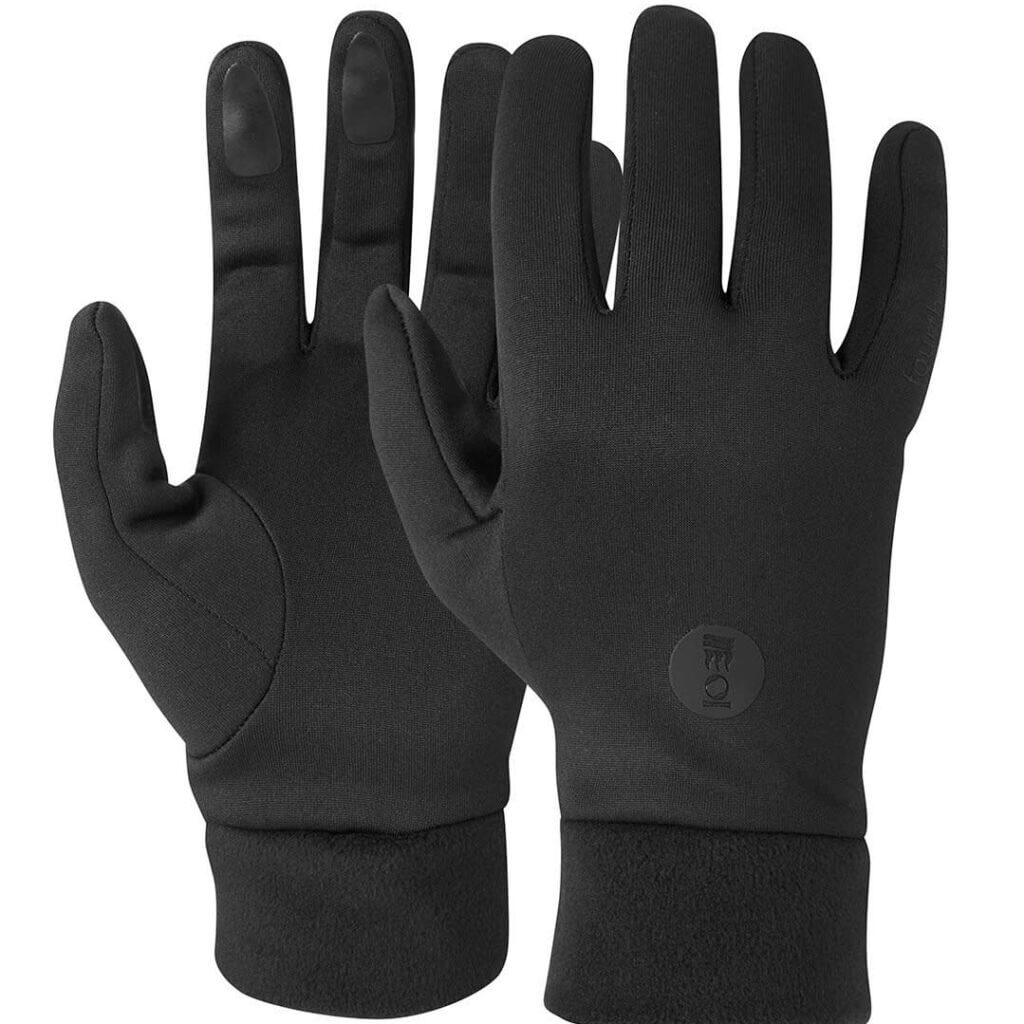
Fourth Element Xerotherm Gloves
Xerotherm Gloves Cold fingers are often the first telltale signs of exposure on a long dive. The Xerotherm gloves provide
Fourth Element Halo AR Gloves
The Fourth Element HALO A°R gloves were developed to be used as ‘glove liners’ for your outer drysuit glove – they are worn beneath the outer rubber glove, staying dry and doing the job of keeping your hands toasty during a drysuit dive
Fourth Element G1 Dry Glove Liner
The G1 Glove Liners can be used under dry gloves or wet mitts. The 1.5mm hydro foam provides the confidence
How it All Works Together
Here’s the layering system:
Hand → Thermal liner → Dry glove w/ Cuff Ring → Drysuit ring system
Each layer has a job:
- Liner = warmth
- Glove = waterproof barrier
- Ring system = seal and attachment
Why Dry Glove Systems are Worth It
If you dive in cold water conditions like British Columbia, dry glove systems offer major advantages:
- Hands stay dry (no heat loss from water circulation)
- Longer, more comfortable bottom times
- Better dexterity compared to thick neoprene gloves
- Reduced risk of cold-related discomfort or shutdown
👉 Once divers switch to dry gloves, they rarely go back.
A drysuit glove system is one of the most effective upgrades for cold-water diving. It transforms your comfort, extends your dive time, and dramatically improves control in harsh conditions.
If you’re diving in cold Pacific waters, it’s not just an upgrade—it’s essential gear.